

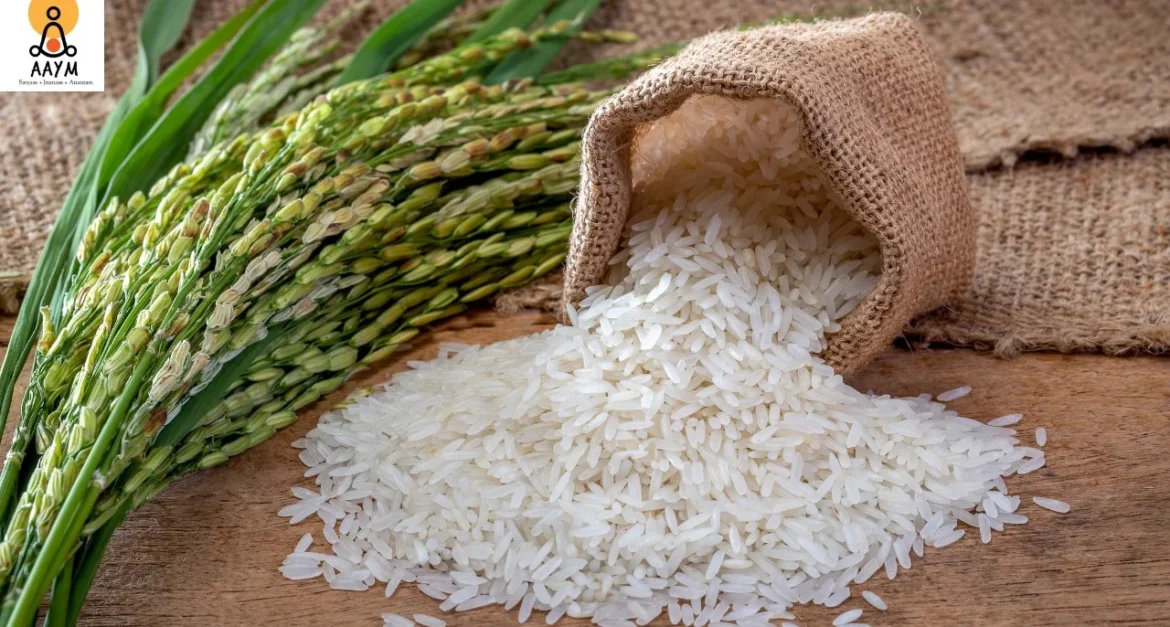
India stands as one of the world’s leading agricultural powerhouses, producing an incredible variety of crops that feed billions of people globally. From aromatic spices to nutrient-rich grains, Indian agricultural products are in high demand across international markets. For businesses looking to tap into this lucrative sector, understanding the export process is essential. This comprehensive guide will walk you through everything you need to know about exporting Indian agricultural products successfully.
Understanding India’s Agricultural Export Landscape
India’s agricultural sector contributes significantly to the nation’s economy and employs millions of people. The country exports a diverse range of agricultural products including rice, wheat, spices, tea, coffee, fruits, vegetables, and processed foods. According to recent trade statistics, India’s agricultural exports have been growing steadily, driven by increasing global demand for quality produce and favorable trade agreements.
The key to successful agricultural exports lies in understanding market dynamics, quality standards, and regulatory requirements. Different countries have specific import regulations, and meeting these requirements is crucial for smooth trade operations. Indian exporters must stay updated with international food safety standards such as CODEX, FDA regulations for the United States, EU standards for European markets, and FSSAI certifications for domestic processing.
Essential Steps for Starting Your Agricultural Export Business
Entering the agricultural export business requires careful planning and preparation. The first step is obtaining an Importer Exporter Code from the Directorate General of Foreign Trade, which is mandatory for all export transactions in India. This unique identification number allows businesses to legally export goods from India.
Next, registration with the Agricultural and Processed Food Products Export Development Authority is important for accessing various export promotion schemes and benefits. APEDA registration also helps exporters stay informed about international quality standards and market opportunities. Additionally, registering with relevant commodity boards such as the Spices Board, Tea Board, or Coffee Board can provide valuable support and certifications.
Understanding your target market is equally important. Research the demand patterns, consumer preferences, and competition in your chosen export destination. Different regions have varying preferences for agricultural products. For instance, Middle Eastern countries show strong demand for Basmati rice and spices, while European markets prefer organic and sustainably produced goods.
Quality Standards and Certifications That Matter
Quality is the cornerstone of successful agricultural exports. International buyers prioritize suppliers who can consistently deliver products meeting stringent quality standards. Implementing proper quality control measures at every stage of the supply chain is non-negotiable.
Start by sourcing from reliable farmers and growers who follow good agricultural practices. Establish quality parameters for size, color, moisture content, and freedom from pests and contaminants. Regular testing and inspection during processing and packaging help identify and eliminate substandard products before they reach customers.
Obtaining international certifications significantly enhances your credibility in global markets. Organic certifications such as USDA Organic, EU Organic, or India Organic are highly valued by health-conscious consumers. Fair Trade certifications appeal to ethically minded buyers, while HACCP and ISO certifications demonstrate your commitment to food safety and quality management systems.
Laboratory testing for pesticide residues, heavy metals, and microbial contamination should be standard practice. Many countries require phytosanitary certificates confirming that agricultural products are free from plant pests and diseases. Working with accredited laboratories and certification bodies ensures that your products meet all necessary compliance requirements.
Packaging and Logistics: Preserving Quality During Transit
Proper packaging is critical for maintaining product quality during long international shipments. Agricultural products are often perishable and require specialized packaging solutions that protect them from moisture, temperature fluctuations, and physical damage.
For fresh produce, temperature-controlled packaging and cold chain logistics are essential. Refrigerated containers maintain optimal temperatures throughout the journey, preventing spoilage and preserving freshness. Modified atmosphere packaging extends shelf life by controlling the composition of gases surrounding the product.
Dry products like spices, grains, and pulses require moisture-proof packaging to prevent degradation. Multi-layer laminated pouches, vacuum packing, and nitrogen flushing are effective techniques for preserving quality. Clear labeling with product information, nutritional facts, and compliance markings is mandatory for most international markets.
Choosing the right logistics partner can make or break your export business. Experienced freight forwarders understand the complexities of international shipping, customs procedures, and documentation requirements. They can advise on the most cost-effective shipping routes, handle insurance matters, and ensure timely delivery to your customers.
Navigating Documentation and Regulatory Compliance
Export documentation might seem overwhelming at first, but understanding the process makes it manageable. The commercial invoice is the primary document describing the transaction details, including product description, quantity, unit price, and total value. This document serves as the basis for customs clearance in both exporting and importing countries.
The packing list provides detailed information about how goods are packed, including dimensions, weight, and packaging materials. This helps customs officials verify the shipment contents and assists logistics providers in handling the cargo properly.
A certificate of origin confirms that goods originate from India and may be required to claim preferential tariff rates under trade agreements. Many countries offer reduced import duties for products from specific countries, making this document valuable for price competitiveness.
For agricultural products, a phytosanitary certificate issued by the plant quarantine authorities confirms that products are free from pests and diseases. Some products may also require health certificates or fumigation certificates depending on destination country regulations.
Understanding Incoterms is crucial for clarifying responsibilities between buyer and seller regarding transportation costs, insurance, and risk transfer. Common terms like FOB, CIF, and EXW define who pays for shipping, insurance, and when ownership transfers from seller to buyer.
Building Strong Relationships with International Buyers
Success in agricultural exports goes beyond just shipping products. Building long-term relationships with international buyers creates sustainable business growth. Communication is key—respond promptly to inquiries, provide detailed product information, and be transparent about capabilities and limitations.
Offering samples allows potential buyers to assess product quality before placing large orders. Ensure samples are representative of your actual production quality to avoid disappointments later. Be prepared to accommodate specific buyer requirements regarding packaging, labeling, and product specifications within reasonable limits.
Reliability in meeting delivery commitments builds trust and encourages repeat business. Maintaining consistent quality across all shipments, honoring agreed-upon prices, and addressing any issues proactively demonstrate professionalism and commitment to customer satisfaction.
Participating in international trade fairs and exhibitions provides excellent opportunities to meet potential buyers, understand market trends, and showcase your products. Events like SIAL Paris, Gulfood Dubai, and India International Trade Fair attract buyers from around the world.
Leveraging Technology for Export Success
Modern technology has transformed agricultural export operations, making them more efficient and transparent. Digital platforms connect exporters with buyers globally, reducing dependency on intermediaries. Online marketplaces specifically designed for agricultural trade facilitate direct communication between producers and international buyers.
Traceability systems using blockchain technology enable customers to track products from farm to fork, building confidence in food safety and authenticity. QR codes on packaging provide consumers with detailed information about product origin, farming practices, and quality certifications.
Export management software streamlines documentation, tracks shipments, manages inventory, and handles compliance requirements efficiently. These tools reduce manual errors, save time, and improve operational efficiency.
Future Trends in Agricultural Exports
The agricultural export sector continues to evolve with changing consumer preferences and technological advancements. Organic and sustainably produced foods are experiencing exponential growth as consumers become more environmentally conscious. Exporters investing in organic certification and sustainable farming practices position themselves advantageously for future growth.
Value-added processed foods offer higher profit margins compared to raw agricultural products. Processing activities like packaging, grading, and creating ready-to-eat products increase product value and appeal to modern consumers seeking convenience.
E-commerce is opening new channels for agricultural exports, allowing smaller exporters to reach international customers directly without traditional distribution networks. Digital marketing and social media help exporters showcase their products and build brand recognition globally.
Climate change and sustainability concerns are influencing international trade policies and consumer choices. Exporters demonstrating commitment to environmentally friendly practices, water conservation, and reducing carbon footprint will increasingly gain preference in global markets.
Conclusion
Exporting Indian agricultural products offers tremendous opportunities for businesses willing to invest time and effort in understanding the complexities of international trade. Success requires attention to quality, compliance with regulations, efficient logistics, and building strong buyer relationships. With proper planning, the right certifications, and commitment to excellence, exporters can tap into the growing global demand for India’s agricultural bounty.
The journey may seem challenging initially, but the rewards are significant. As global populations grow and demand for quality food increases, well-positioned agricultural exporters will play a crucial role in feeding the world while building profitable businesses. Whether you are just starting or looking to expand your existing export operations, staying informed, adapting to market changes, and maintaining unwavering commitment to quality will pave the way for long-term success.